















Baskets and Wicker Trays – Their Bond with Crete
Author Discover Crete
Culture
Culture

Mixorrouma in the region of Rethymno is one of the villages of Crete famed for their basket work. And although I’ve already visited a basket maker in Gazi in the region of Iraklio, I feel compelled to explore the craft in its “natural habitat.”
I head to Mixorrouma and stop at the village kafeneio to ask if they know a basket maker in the area. The two groups of patrons there, each enjoying a carafe of wine, look at me with some uncertainty. They appear hesitant to admit that the art has died out and opt, instead, to call a fellow villager who may know more about the matter.
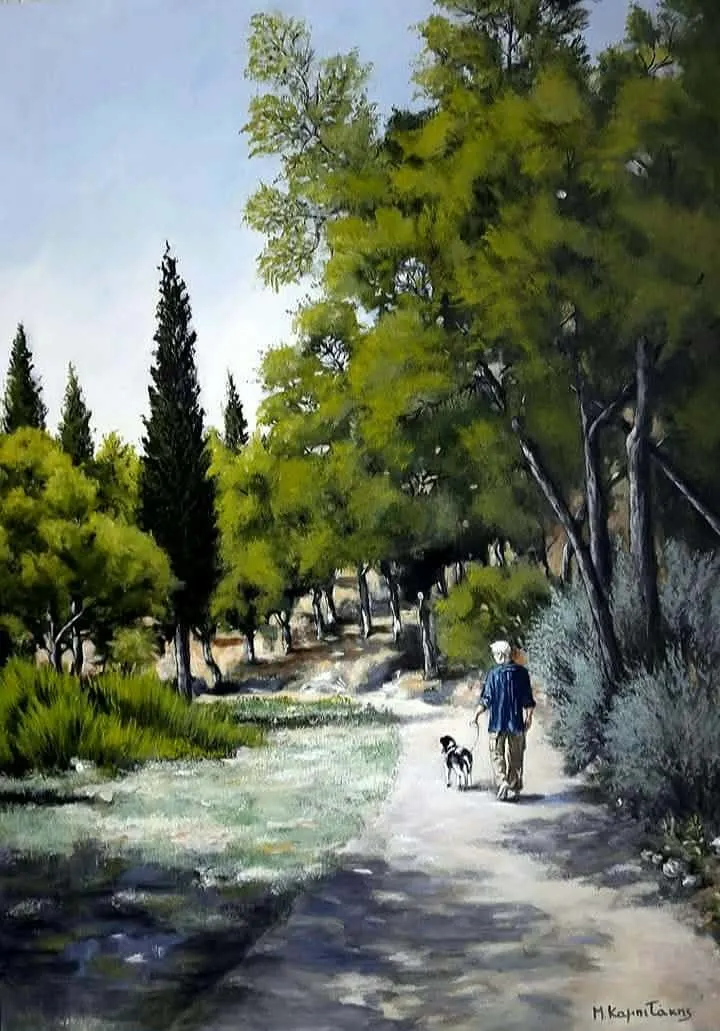
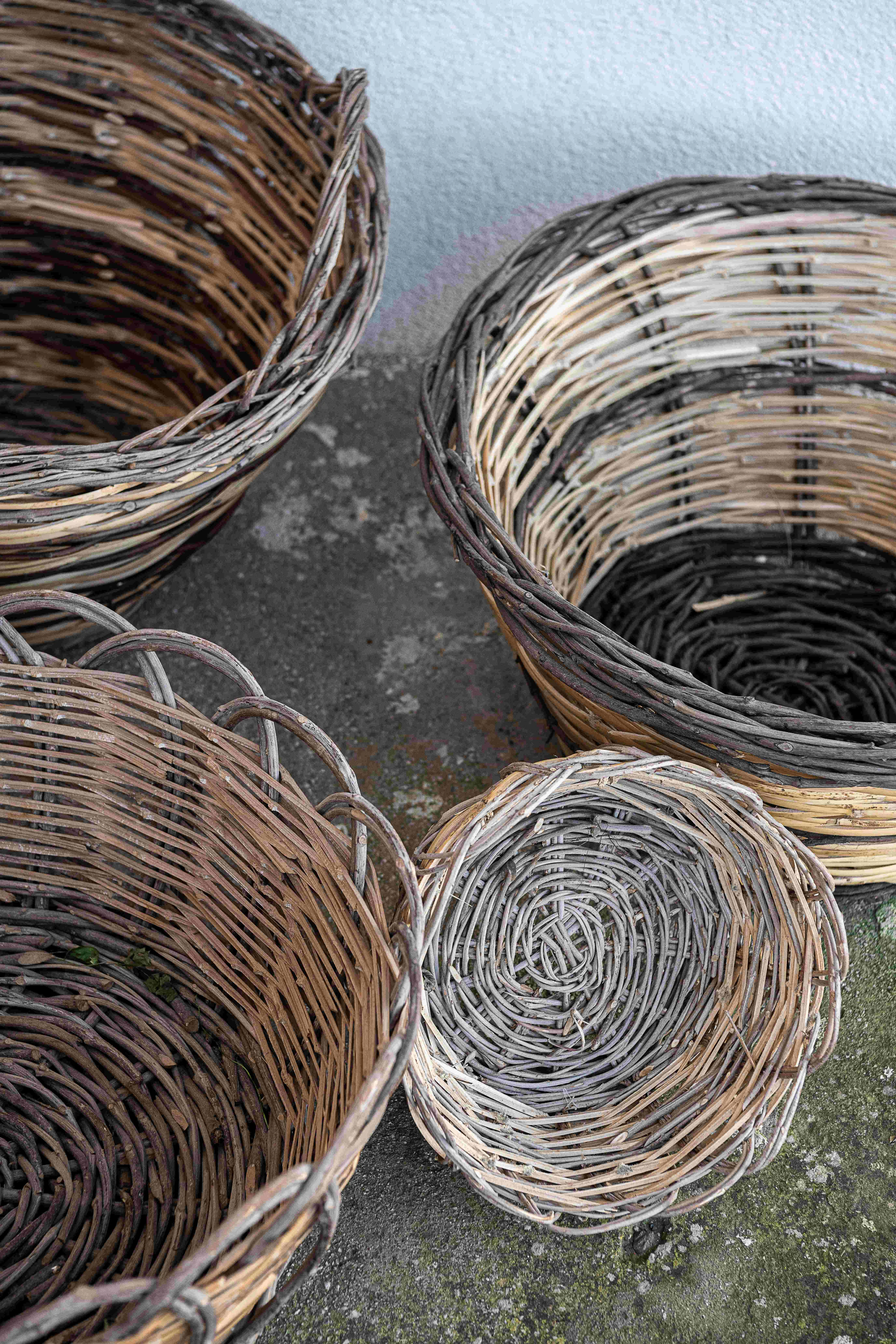
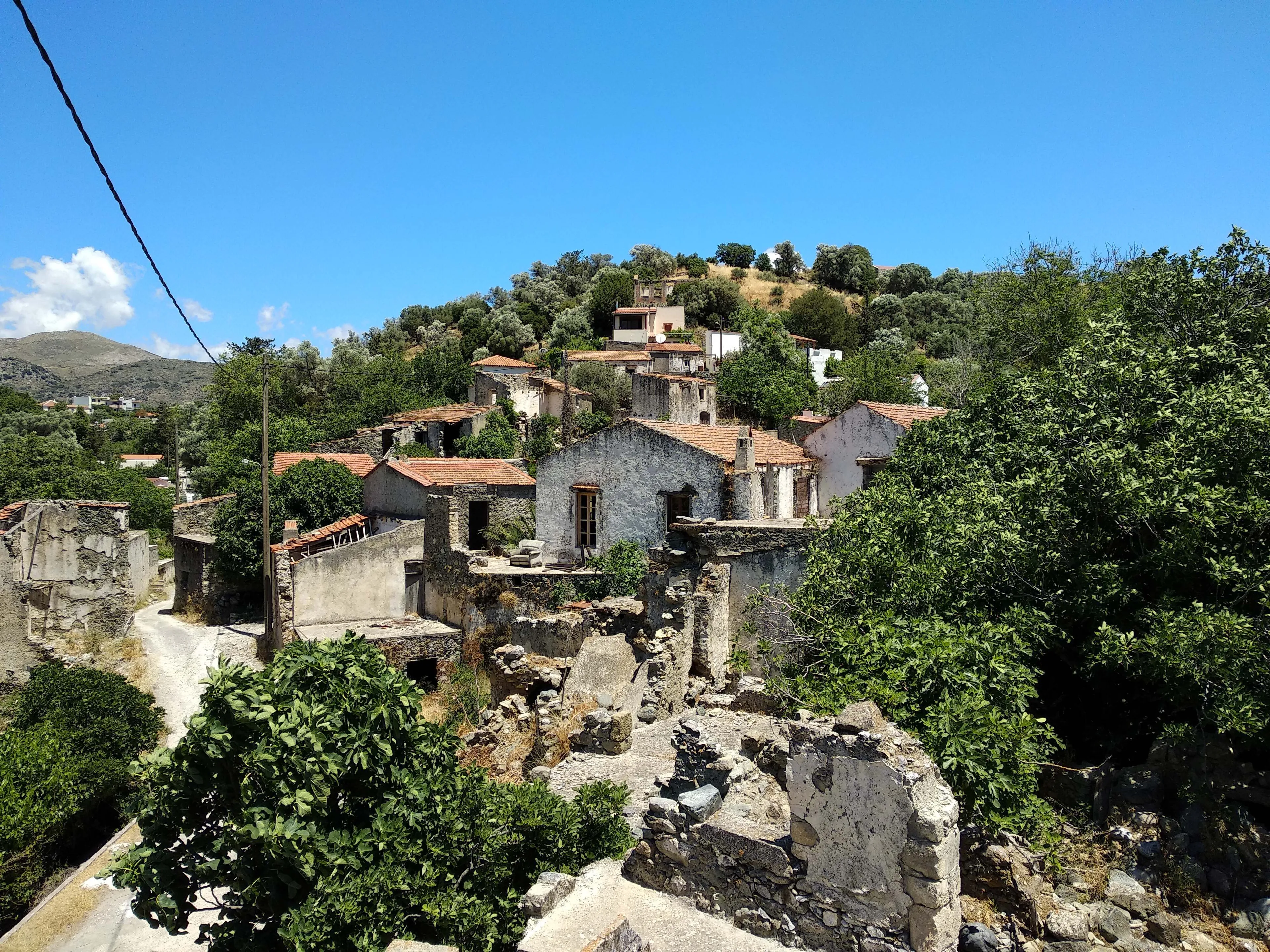
Kyr-Haridimos turns up a few minutes later and immediately starts telling me about the history of basket weaving and how it’s intrinsically linked to the history of the village itself. We head off together down to Kato Mixorrouma, the old village, strolling past abandoned houses.
My companion's detailed descriptions of baskets big and small seems endless – baskets for carrying rocks, for crops, for laundry, for storing fruit, and vegetables, and olives and snails. He talks about baskets for protecting demijohns of olive oil and wine, for draining cheese, and for special occasions, such as for the presentation of the dowry at a betrothal or for holding treats at a wedding.

We pass the ruins of three watermills and listen to the flowing water of two streams that converge here. Standing under the shade of the leafy trees, I imagine villagers sitting in groups, weaving reeds and grasses collected from the river into the dozens of different types of baskets that the market once required.
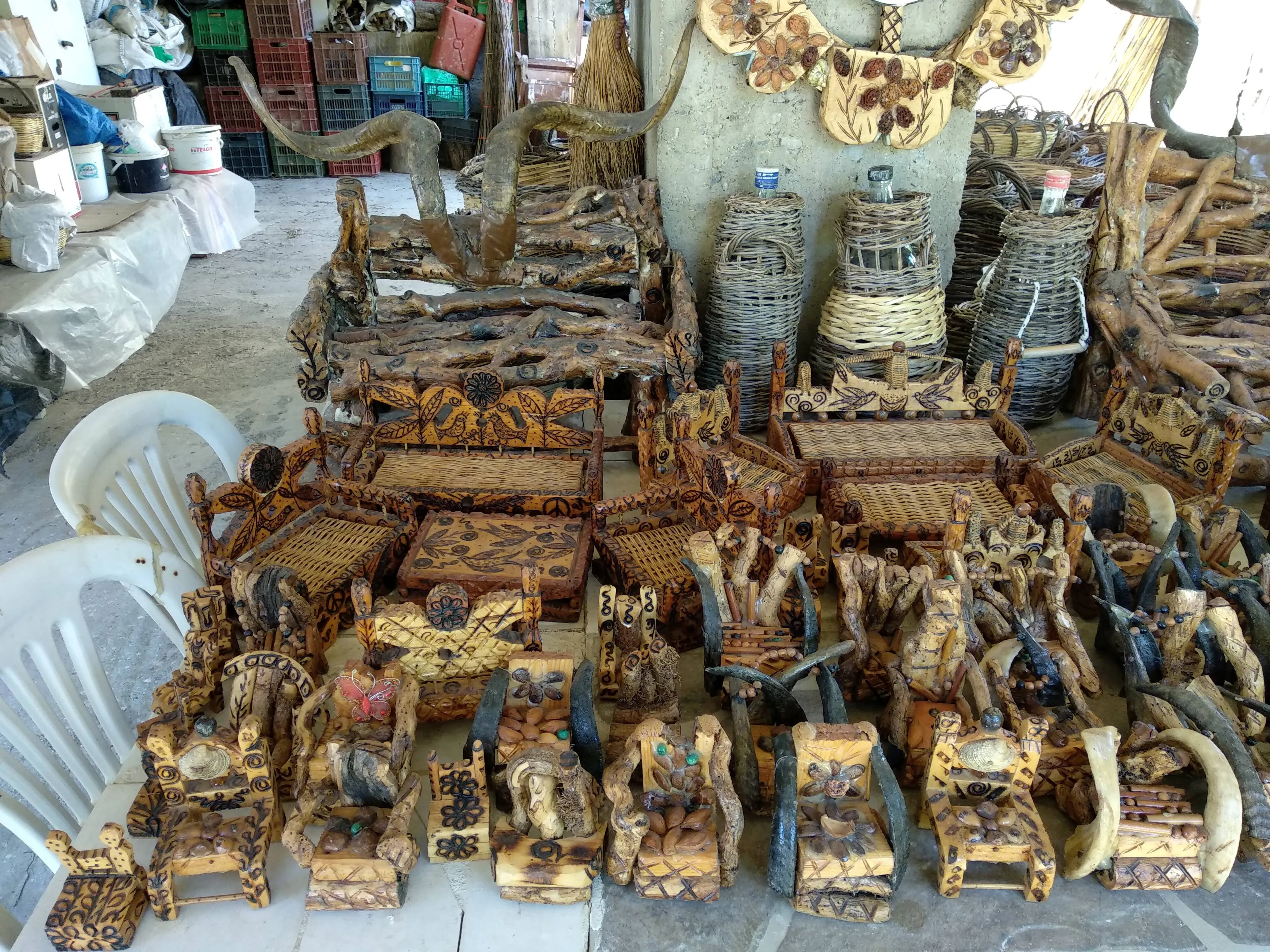
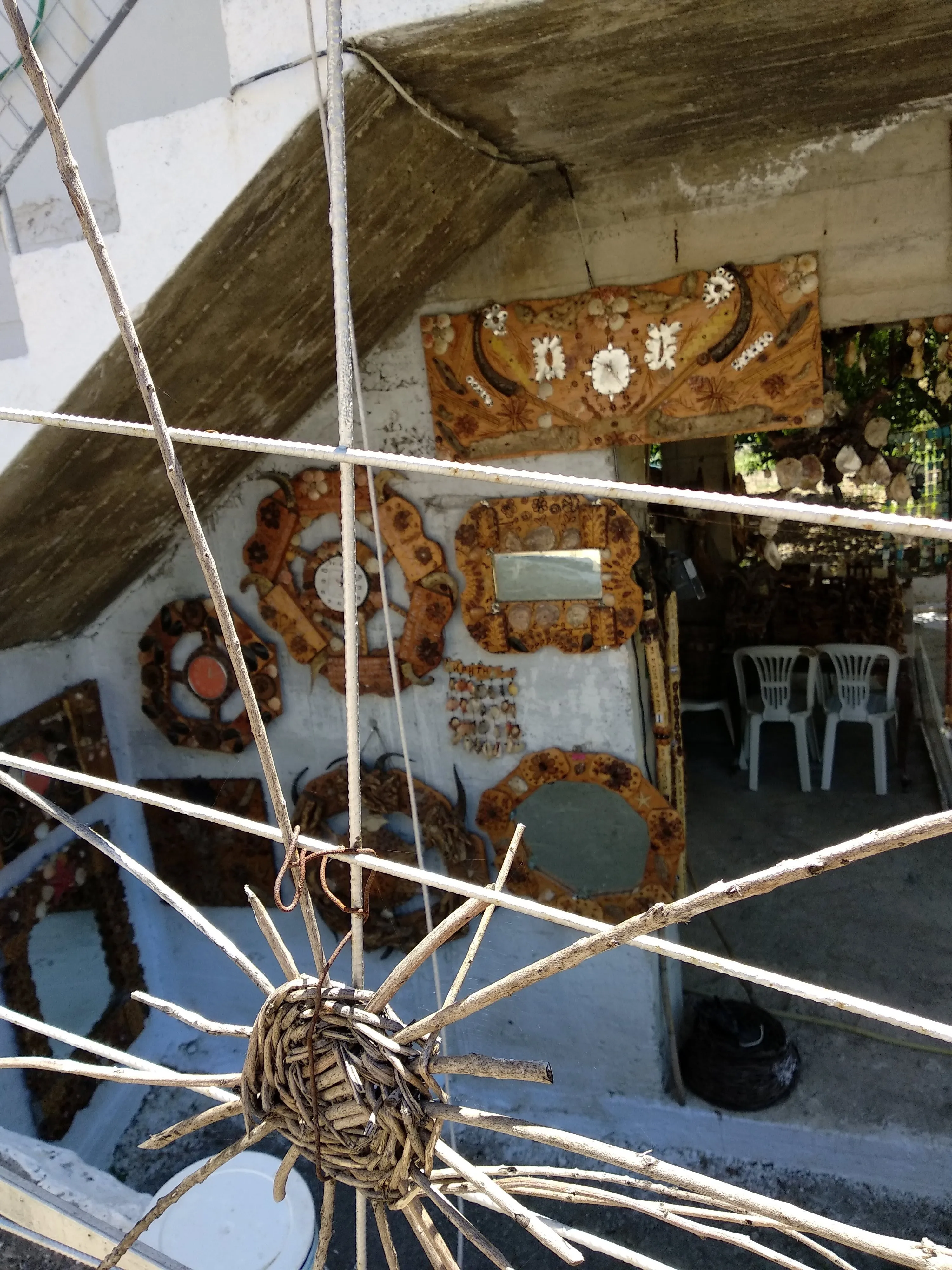
As we head back to the upper village, I stop in front of a wire fence decorated with sun symbols made of straw, and it’s here that I meet Kyr-Vassilis. The entrance to his home is a riot of handicrafts: miniature wooden furniture engraved with ornate motifs; shepherd’s crooks decorated with mantinades and festooned with rabbit's feet; artworks made of seashells and old telephone cards; and jewelry made of olive pits.
“I make things when the wind’s in my sails,” he says. And that statement tells me that the need to be creative is much stronger and more enduring than any market requirements.
Source: “Handcrafted Crete”, Isabella Zambetaki, Region of Crete