













Watermill at the Archaeological Site of Gortyna to Be Restored
Author Discover Crete
Culture
Culture

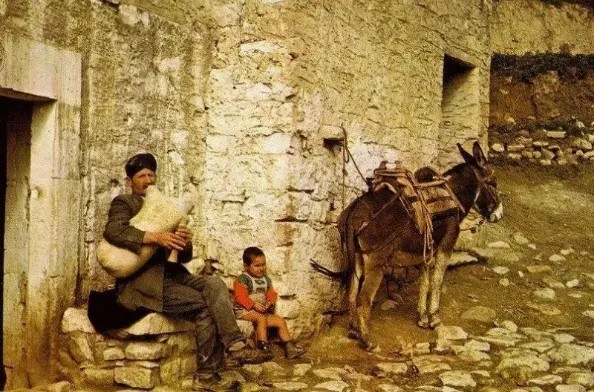
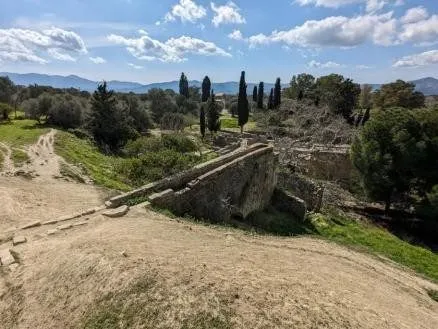
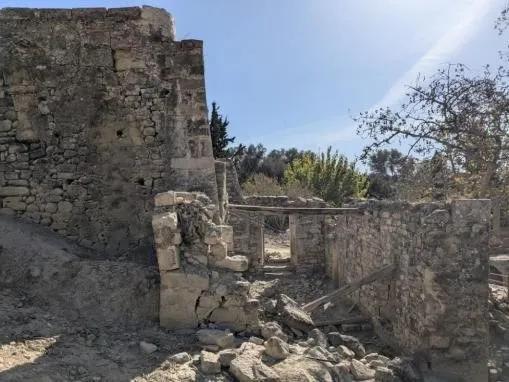
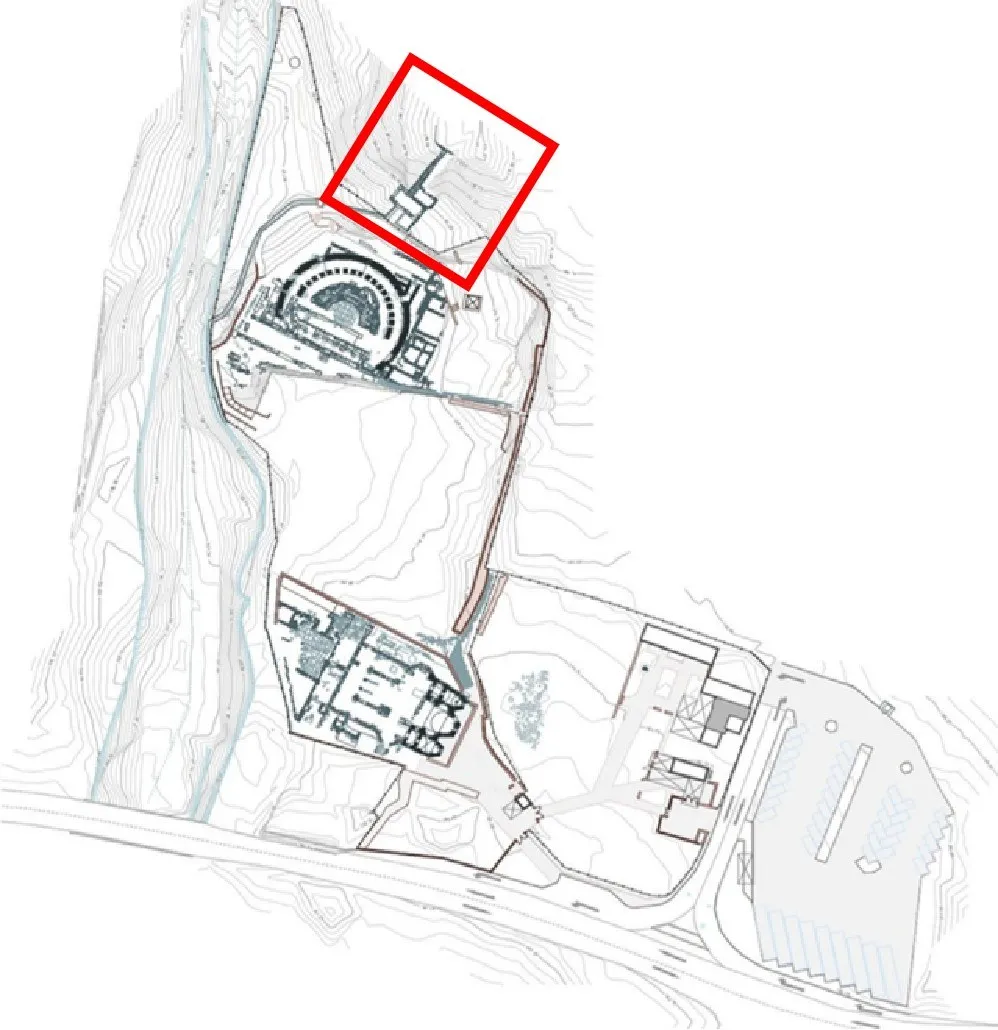
The Ministry of Culture is restoring the Watermill at the archaeological site of Gortyna and plans to reuse it as an open-air museum. The intervention, carried out by the Ephorate of Antiquities of Heraklion, forms part of the wider programme for the restoration and promotion of the Roman Odeon complex and the upgrade of visitor infrastructure within the archaeological site.
The goal is the sustainability of the monuments and the improvement of accessibility for all visitors. The restoration project is funded by the Regional Operational Programme “Crete” – NSRF 2021–2027.
Minister of Culture Lina Mendoni stated:
“The restoration of the watermill and its functional integration into the visitable archaeological site of Gortyna is part of the programme of conservation, promotion and infrastructure improvement implemented by the Ephorate of Antiquities of Heraklion.
Our aim is the reuse of the Watermill as an open-air museum, dedicated to the pre-industrial heritage of the area, featuring evidence from written sources and oral testimonies about the operation of the complex, as well as references to similar complexes across the wider region.
In this way, we enhance the visitor experience, offering guests a complete encounter with history and culture.
The Watermill lies a short distance from the Roman Odeon and the “Great Inscription”, with whose discovery it is directly connected. In 1857, the French School at Athens discovered the first stone block of the “Great Inscription” embedded in the watermill of Panagiotis and Manolis Kouridakis. Today it is displayed at the Louvre Museum.
The Watermill remained in operation until the mid-20th century. In 1911, the route of the open water channel was modified in order to divert water that had been flowing over the Odeon.
The plot on which the building stands was expropriated by the Ministry of Culture between 2004 and 2009, but the structure had not been functionally integrated into the archaeological site and is currently not accessible to visitors.”
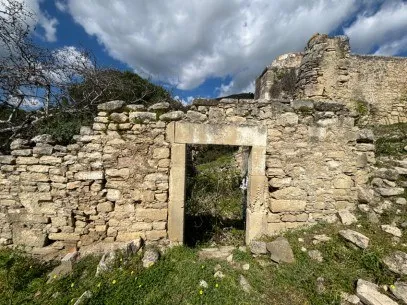
The exact dating of the Watermill — also known as Savouidakis Mill — is unclear. The stone sculptures on the cornice of the water tower and above the entrance doorway are modern additions dating to the mid-19th century.
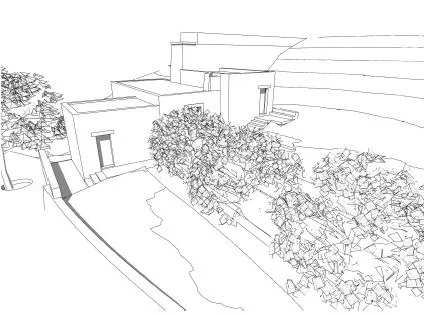
The complex includes all the typical features of a traditional watermill installation:
-
the cistern,
-
the Glykato (millrace),
-
the water tower (well),
-
the main building (workshop) with the mechanism,
-
the underground space of the zourgio,
-
and two small auxiliary rooms.
The complex features an earthen cistern connected to the stone-built open channel known as Glykato, which carries water to the Water Tower. The channel includes an arched opening for rainwater drainage.
The Water Tower is a stone-built structure that narrows towards a stone socket with a circular opening, allowing water to be directed under pressure into the zourio, the underground chamber beneath the main mill room, where the wooden transmission components are located.
The main building is simple in form. It includes a waiting area (with a corner fireplace and possibly built benches) and the mill workshop, where the grain grinding process took place.
All the buildings survive today roofless and in a ruined condition. The mill workshop was the place from which the miller directed the entire grinding process.
The proposed interventions in the surrounding area include the creation of a small stone-paved path with steps, along with gentle landscape adjustments such as ramps and levelled earth paths to connect the complex with the archaeological site.
Two visitor access points are planned, south and east of the complex, in line with the architectural study aimed at improving visitor routes and accessibility for people with disabilities at the archaeological site of Gortyna and its monuments.
Although the buildings of the complex are considered public gathering spaces, they are exempt from mandatory accessibility modifications for people with disabilities, as the total area of each structure is under 70 sq.m.
However, provisions have been made so that at least one building can become accessible in the future, should new accessibility routes be created toward the Watermill.
No additional visitor facilities (WC, ticket office, etc.) are required, as the Watermill complex will operate as an integral part of the wider archaeological site of Gortyna.