
















Graviera: A Living Legacy of Crete
Author Discover Crete
Gastronomy
Gastronomy

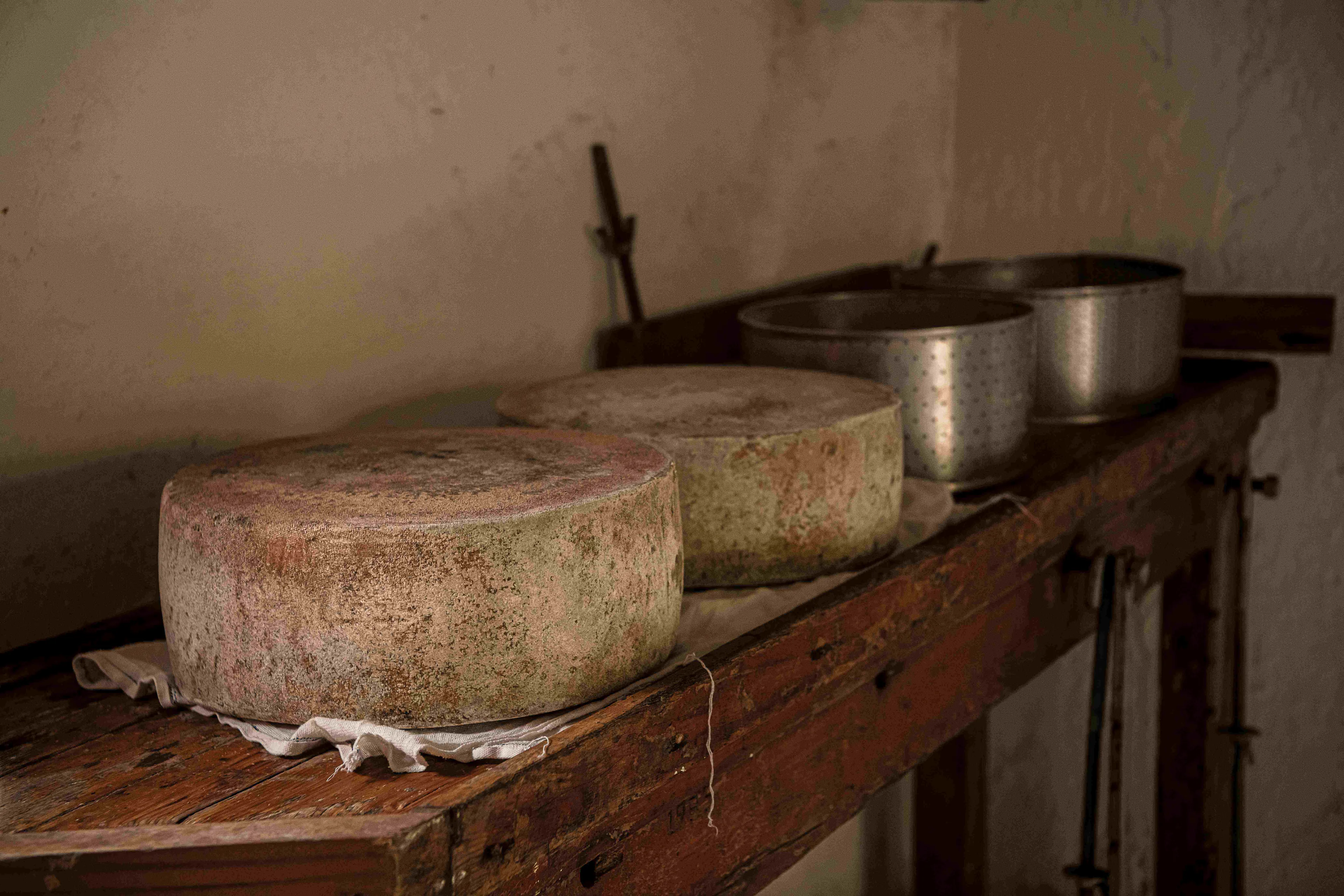
The bronze cauldron that Kyr-Sifis uses to make graviera wouldn't look out of place in a museum. It was, after all, his grandfather’s. It's held thousands of liters of milk in its time – all from sheep milked just a few meters away, in a pen in the mountains of Sfakia. The short distance and the brief time between milking and production, in fact, holds the secret to what makes his cheese so special.
“Do you know where the word ‘tyri’ comes from,” he asks, enquiring whether I know the etymology of the Greek word for "cheese," as he chops wood for the fire beneath the cauldron. “From tyranny,” he answers with a stoic smile.
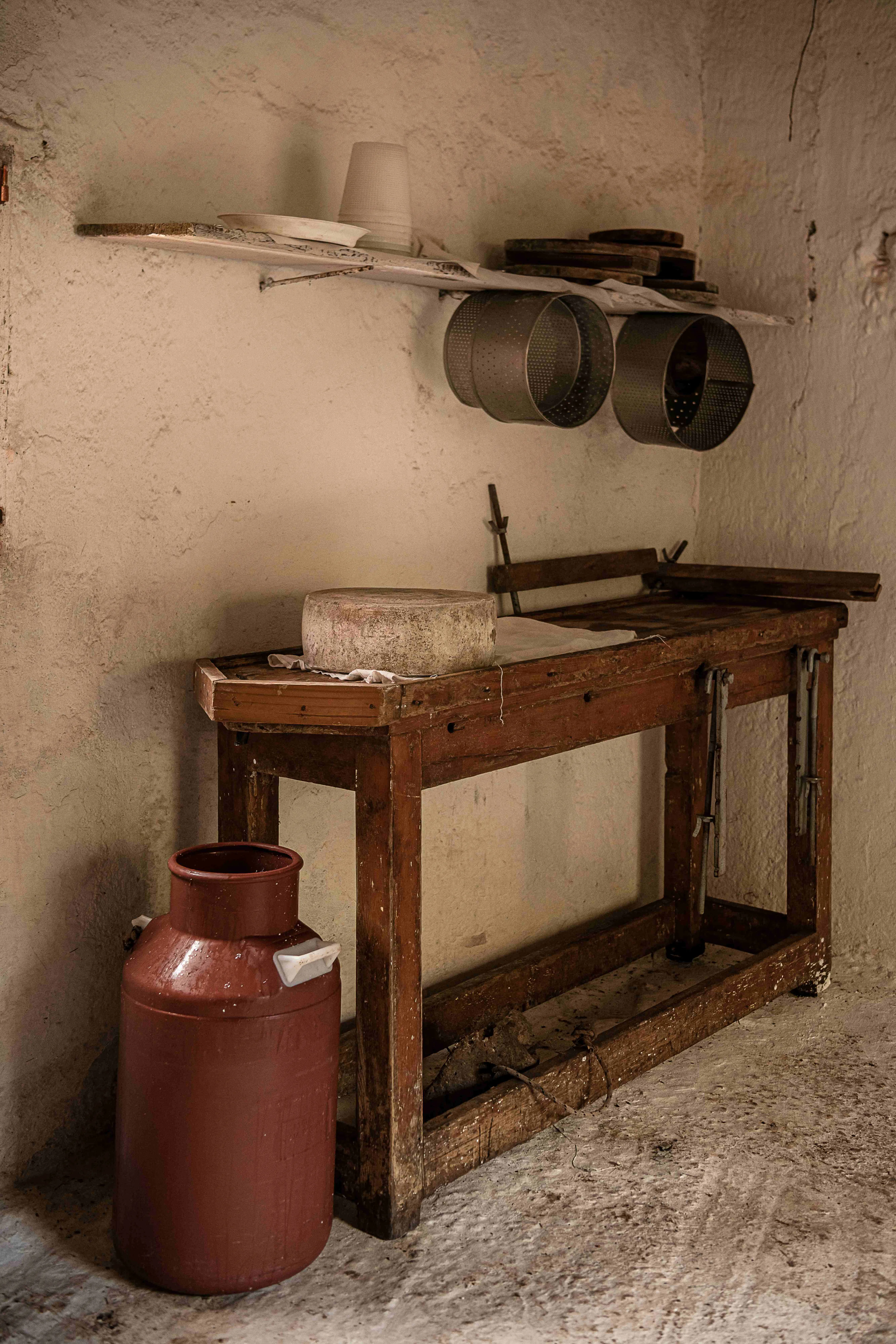
Kyr-Sifis will spend the next few hours patiently stirring the milk until it reaches the right temperature and starts to thicken. Then he’ll cut the curd with the cheese harp and give it another vigorous mix.
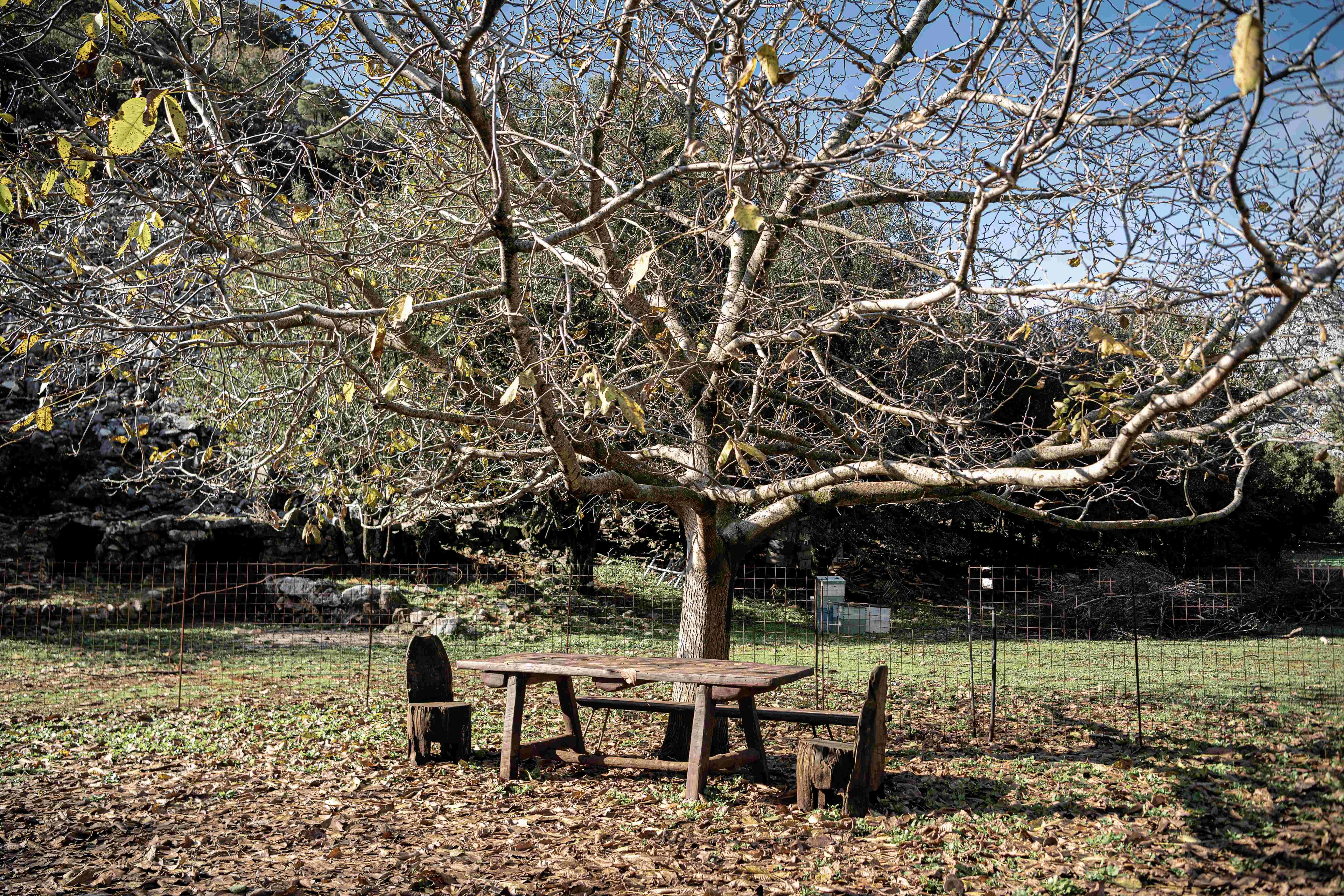
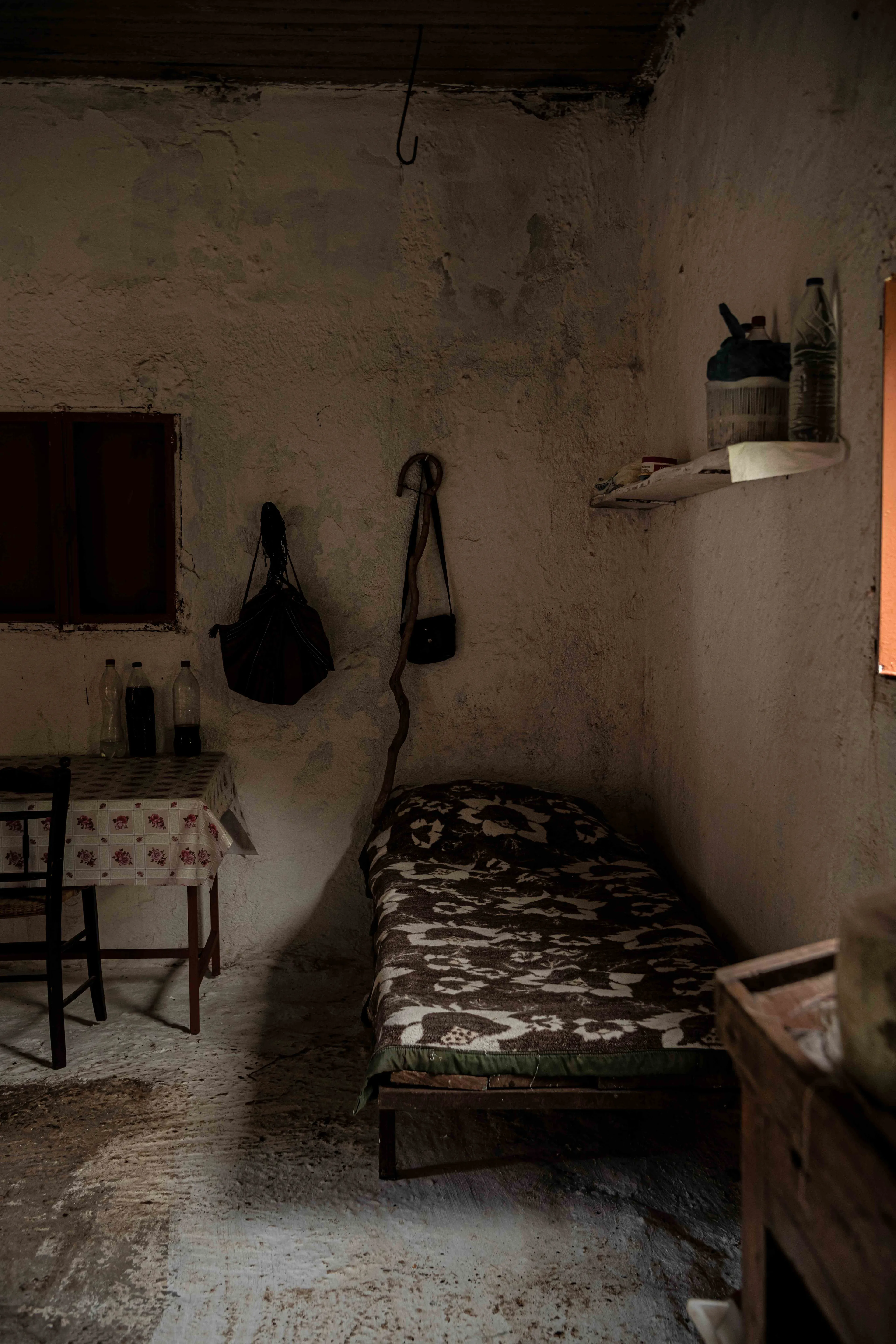
Other than the tools of his trade, there are just a handful of items in his mitato, the traditional Cretan shepherd’s hut, attesting to a very simple way of life: a rustic divan and two chairs, along with a loom-woven tote bag and a shepherd’s crook hanging from a wall. Just outside, the massive wooden seats are hewn by hand from tree trunks, and he has also made a koumas, an impressive structure made of stones from the hill. Like an alpine safe, it will be used to mature the graviera over the next few months.


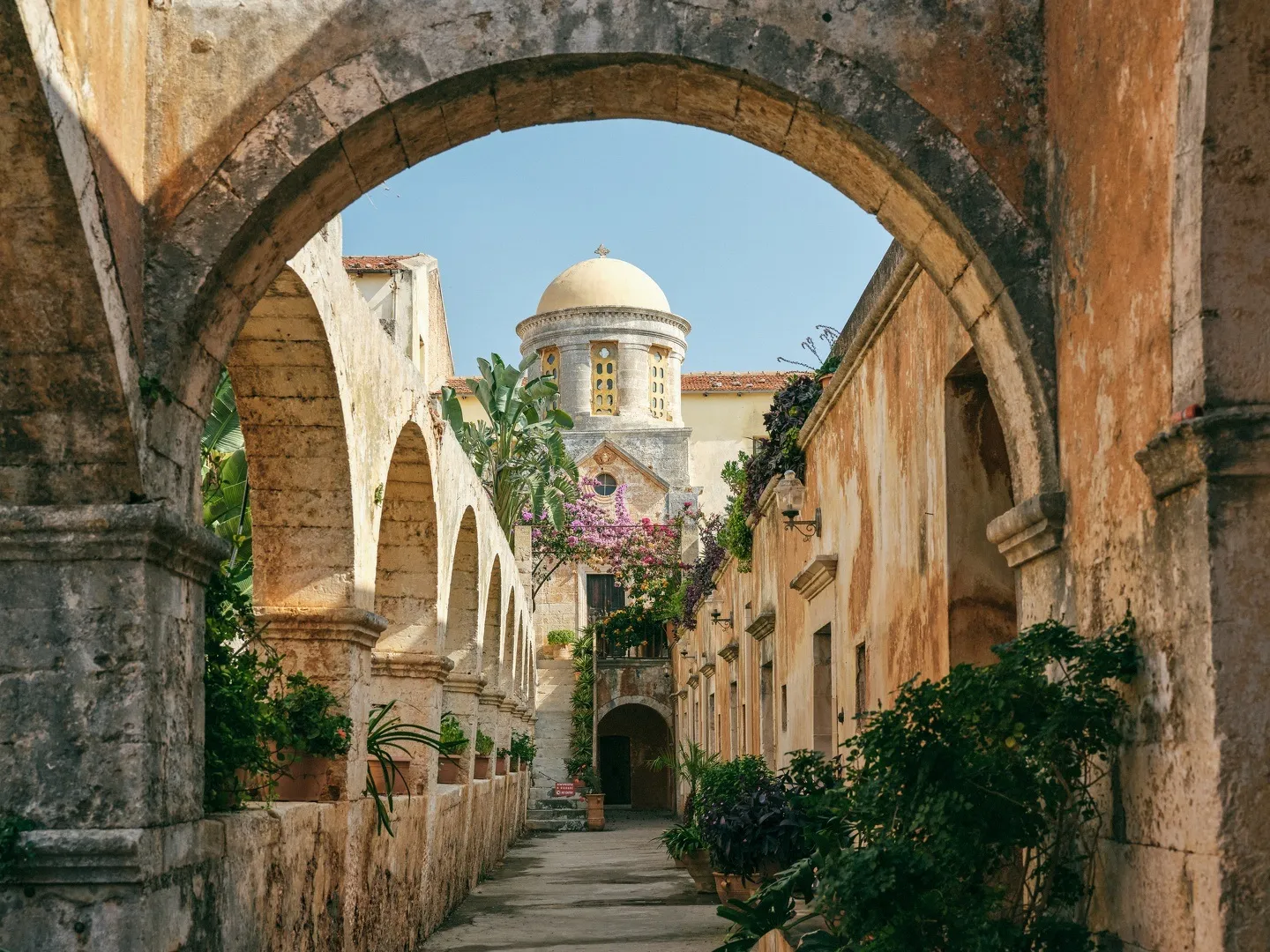
Just a couple of kilometers away from the concrete mitato where he makes his cheese, Kyr-Sifis shows me an older stone hut that had been built by his forefathers. The stones are so skillfully stacked, they “lock” into each other so that no mortar is needed to keep the ceiling, walls or floor in place. When the job is done properly, these structures can last for centuries. The arches and domes in the interior are a testament to people who could not only build something functional, but beautiful, too.
“Life’s hard, but we manage,” says Kyr-Sifis, adding with great humility, but with earnestness, too: “And thank God for my hands; blessed be my hands.”
Source: “Handcrafted Crete”, Isabella Zambetaki, Region of Crete