















Photography Exhibition “The Greek Miracle in Tashkent”
Author Discover Crete
Culture
Culture

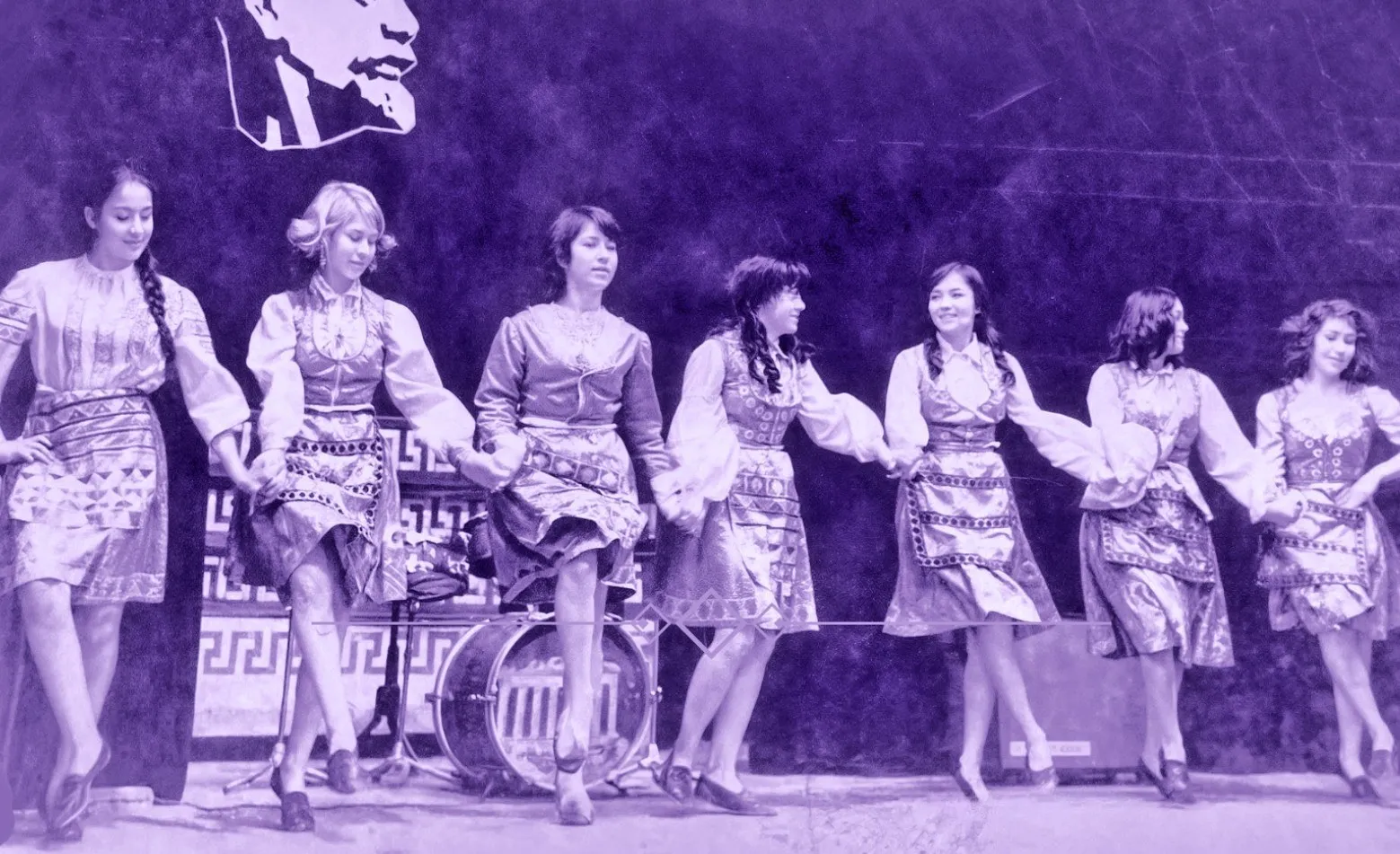
Within the framework of the 2nd Spring Cultural Festival of the Hellenic Mediterranean University (HMU), titled “Epestrefe”, held with the support of the Region of Crete and under the auspices of the Municipality of Heraklion, the photography exhibition “The Greek Miracle in Tashkent” is presented — a historical and cultural tribute to the Greek presence and diaspora in Central Asia.
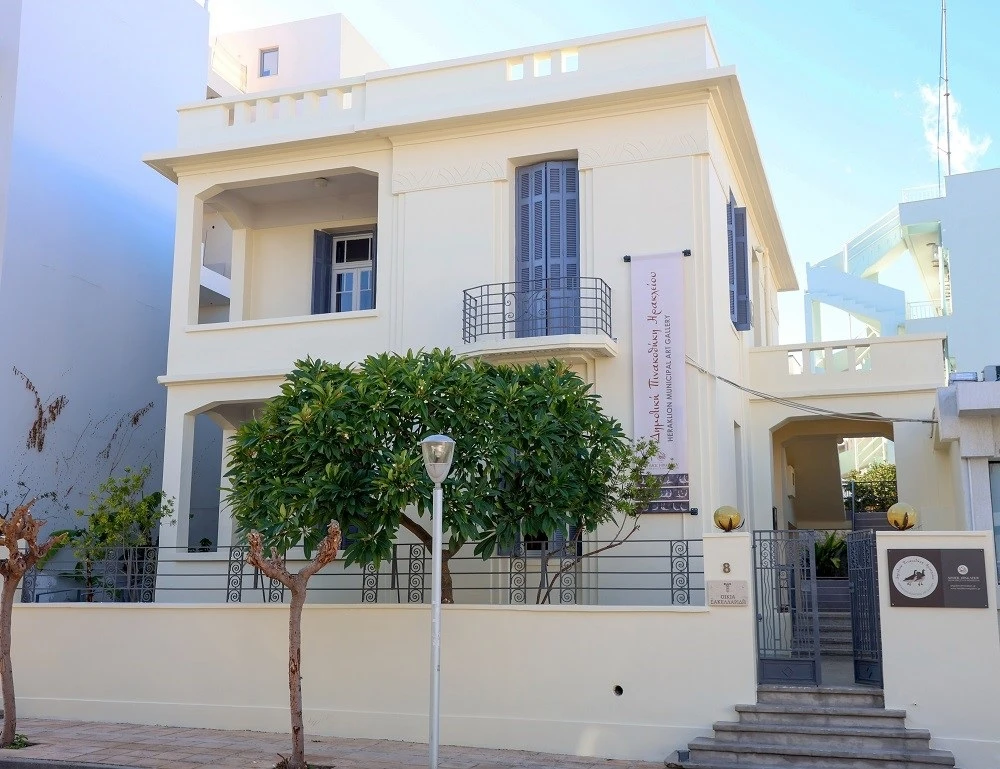
The exhibition is hosted at the Municipal Art Gallery of Heraklion (Chrysostomou 8), from April 22 to April 29, 2026, daily (except weekends), 10:00–14:00 and 18:00–21:00. Admission is free to the public.
Through 100 rare historical photographs and documents, a lesser-known yet highly significant aspect of Hellenism is brought to light, connected to the history of displacement, survival and cultural continuity. The example of Hellenism in Central Asia highlights the ability of communities to preserve, redefine and transform their identity across different social and geographical environments.
The exhibition is structured around three main thematic sections:
– The life of political refugees in Tashkent (1949–1970)
– The deportations of the Pontic Greeks (1937–1949)
– The contemporary Greek Cultural Centre in Tashkent
At the same time, a special section titled “Coins” will also be presented.
Exhibition Opening & Lecture
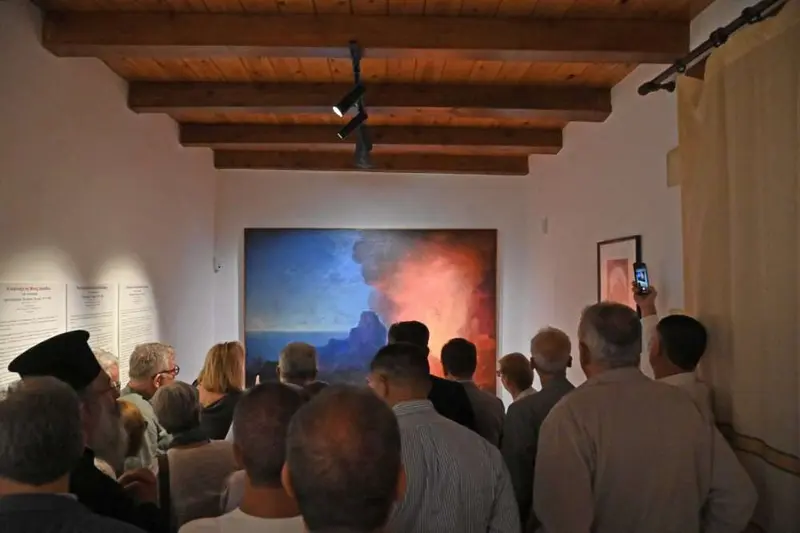
The opening of the exhibition will take place on Wednesday, April 22, 2026, at 19:00, at the Municipal Art Gallery of Heraklion.
The keynote speaker will be Konstantinos Politis, architect and cultural heritage management expert, with international activity and significant contribution to highlighting the Greek presence in Central Asia.
His lecture, titled “Hellenism in Asia through time – Transformations and Hybrid Societies”, focuses on the timeless nature of Hellenism, which, as he notes, “is not a temporary historical phenomenon, but a continuous cultural presence that transforms, survives and is reborn through successive historical phases.”
From antiquity to the modern diaspora, the Greek world in Asia functions as a field of synthesis, dialogue and adaptation, while “its strength lies not in territorial continuity, but in its ability to regenerate through memory, speech and creation.”
Konstantinos Politis has been active in more than 15 countries, collaborating with international organisations such as UNESCO, while since 2020 he serves as President of the Greek Community of Uzbekistan, actively contributing to the strengthening of the Greek diaspora in the region.
It is noted that the theme of the exhibition connects with the festival’s opening event, which took place on March 20 at the Municipal Art Gallery of Heraklion, featuring a lecture by Dr Nikos Dallas titled “The Democratic Army through the archives of Tashkent”, highlighting historical aspects of the Greek presence in the region and serving as an introduction to the exhibition’s content.