















Mantinada: Included in the National Inventory of Intangible Cultural Heritage
Author Discover Crete
News
News

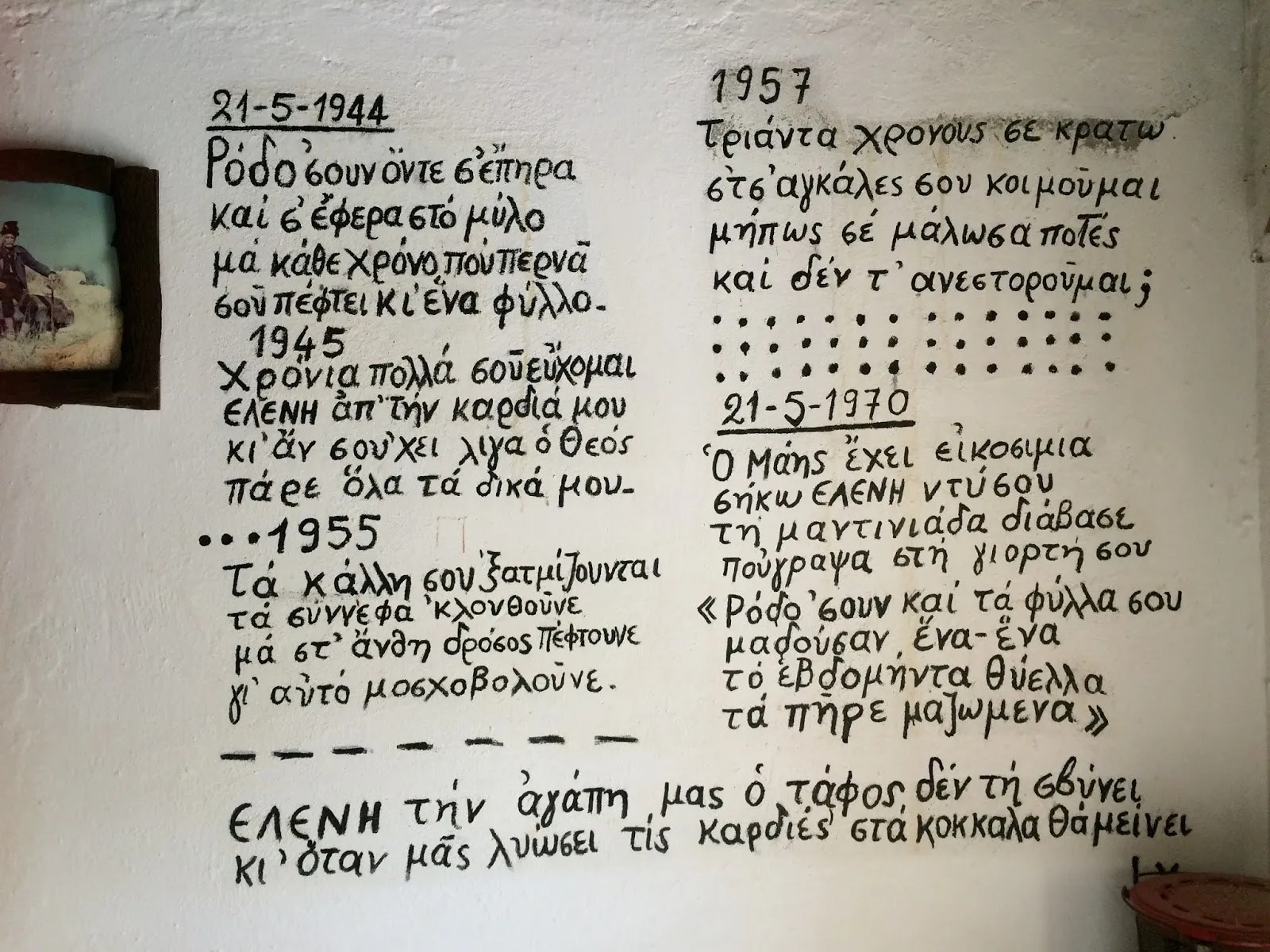
The application dossier for the Cretan Mantinada, prepared and submitted to the Ministry of Culture by the curator of the Lychnostatis Open Air Museum, folklorist and educator Mary Baritaki, and the Museum’s director Giannis Markakis, has received a positive outcome and official approval.
Specifically, with a recent decision (26/2/2026) by the Minister of Culture Lina Mendoni, the Cretan mantinada has been formally inscribed in the National Inventory of Intangible Cultural Heritage of Greece.
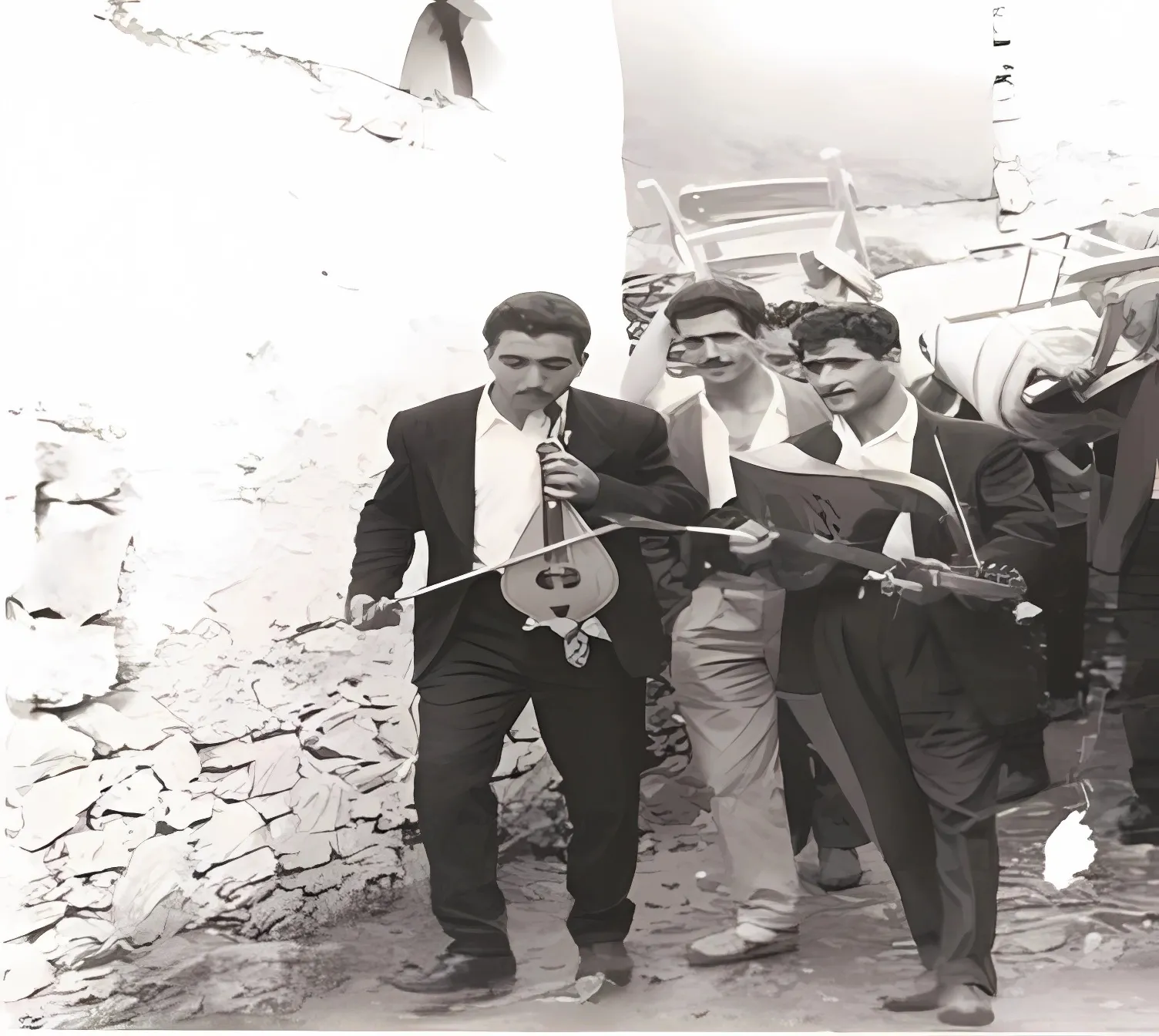
According to the opinion of the National Council of Intangible Cultural Heritage, the mantinada is recognised as a bearer of collective memory and local identity in Crete. It is not merely a literary genre, but an oral poetic form intertwined with every aspect of life on the island, distilling within two lines the Cretan landscape and spirit.
Its structure is simple yet powerful: two fifteen-syllable rhyming verses, expressed in the Cretan dialect, complete in meaning and marked by improvisation and verbal skill. The heart of the mantinada lies within the communities of Crete, which transmit it from generation to generation, shaping and renewing it over time.
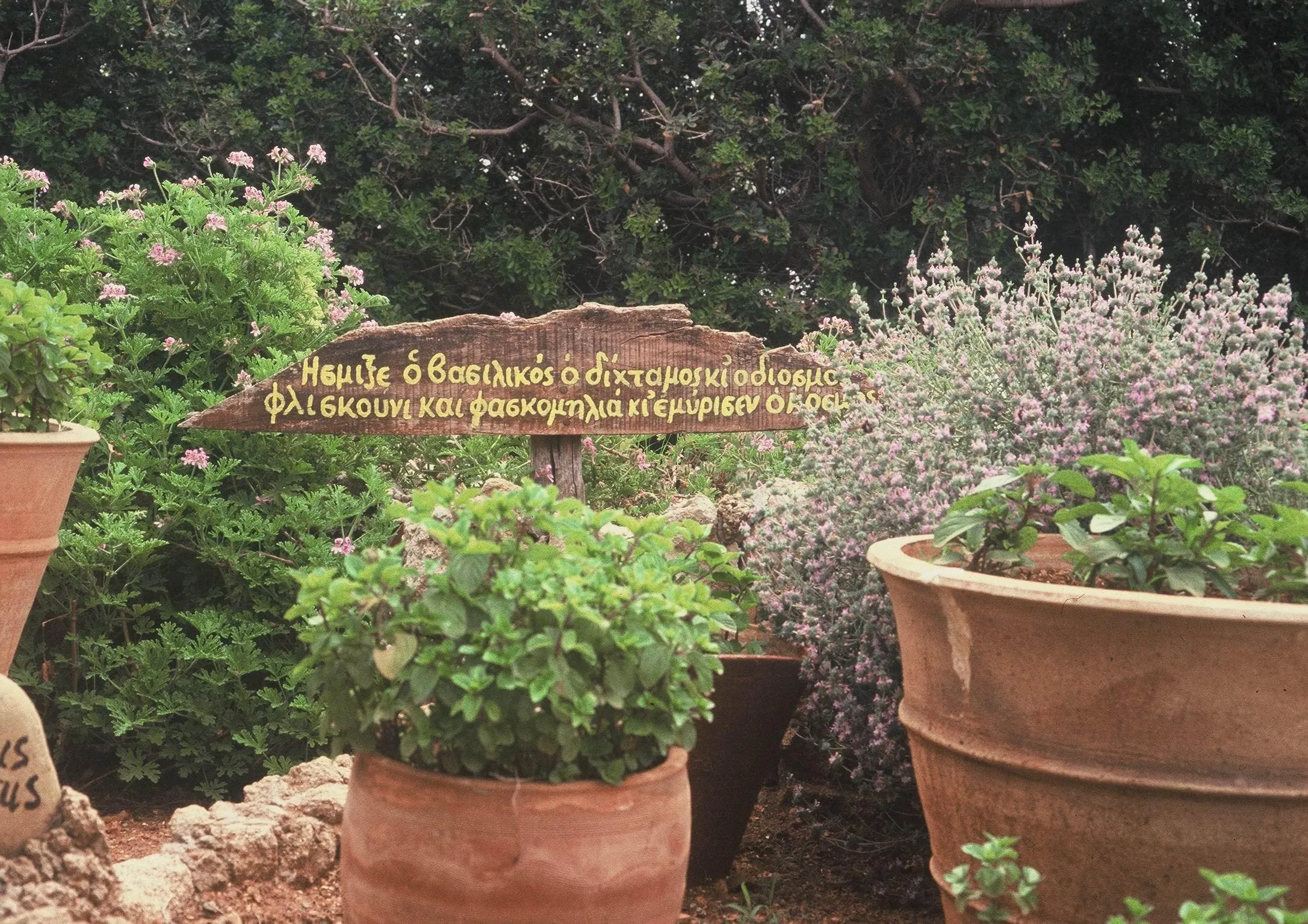
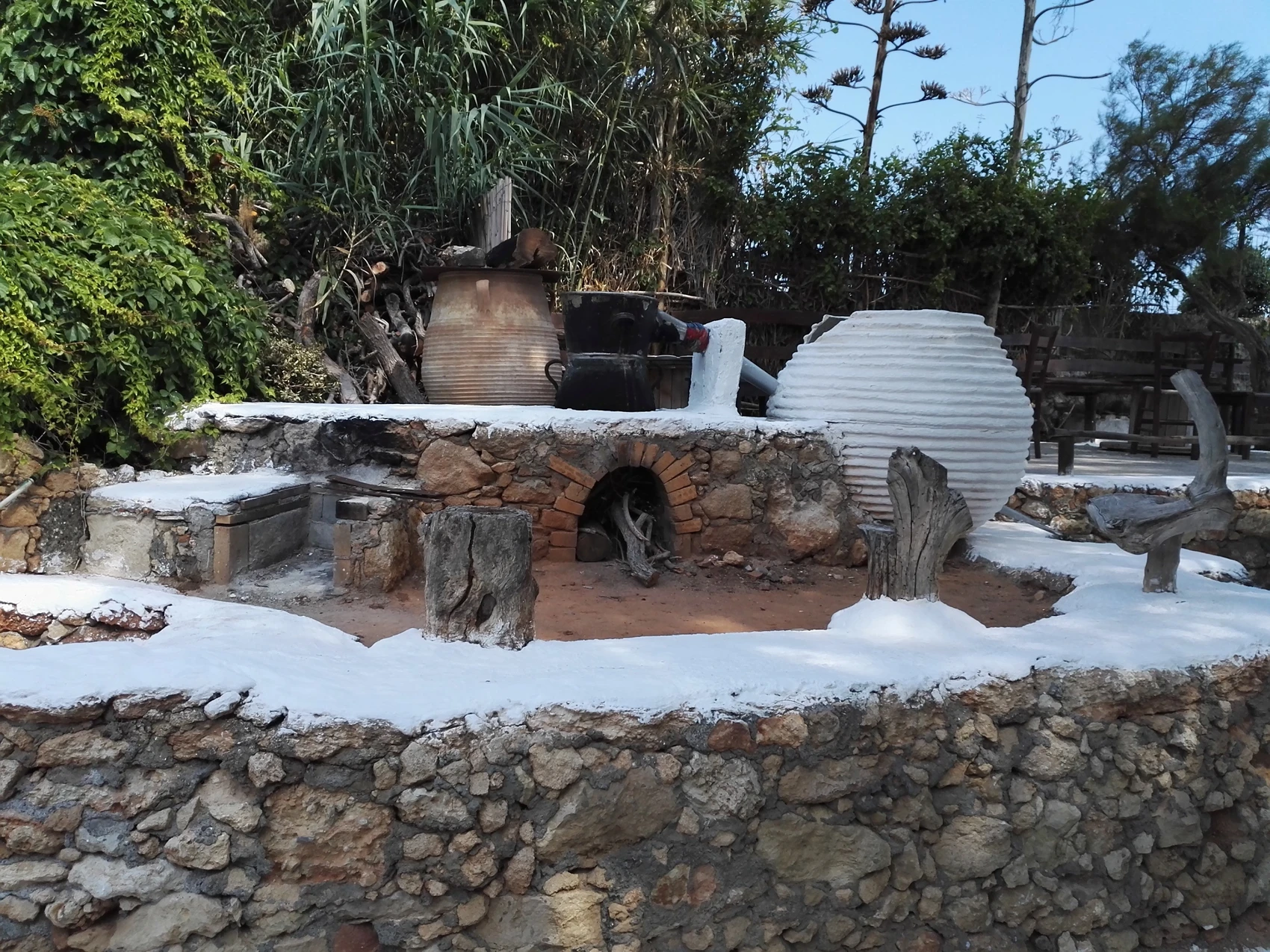
The Lychnostatis Open Air Museum has, since its establishment in 1992, placed particular emphasis on the intangible culture of Crete. This is reflected both in its museological approach and interpretation of its collections, as well as in the cultural activities it organises within and beyond its premises.
In 2017, the Museum became the first institution from Crete to submit a dossier to the Ministry of Culture regarding the ethnobotanical practices of wild edible greens of Crete, which were inscribed in the National Inventory in February 2018. That same year, it published Giorgis Markakis’ book “The First Daughters: the mantinada in the life of Crete”, a significant bibliographical source for documenting the mantinada’s nomination.
Today, among the 164 elements listed in the National Inventory, 12 intangible heritage elements originate from Crete. At the same time, the Region of Crete has initiated the design of a “Regional Inventory of Intangible Cultural Heritage”, aiming to include new efforts to safeguard and highlight the island’s living cultural heritage.
Finally, it is worth noting that in the final stage of preparing the dossier for the Cretan mantinada, the Friends of the Lychnostatis Open Air Museum collaborated with educator, author and well-known mantinada scholar Kostis Lagoudianakis. The nomination file also included statements of support from numerous Cretan figures in letters and the arts, as well as from first- and second-degree local government authorities.


Related news